
3D IT-based personal planning
A three-dimensional model is created from computed tomography (CT) scans of the hip or knee joint. The size, placement, and bone cuts of the prosthesis are planned before surgery according to the patient's anatomy.
Three-dimensional CT planning, real-time data during surgery, and haptic technology help plan prosthetic surgery according to the patient's anatomy.
The surgery is performed by the surgeon, not the robot. The robotic system is an advanced planning and execution technology that assists the surgeon.
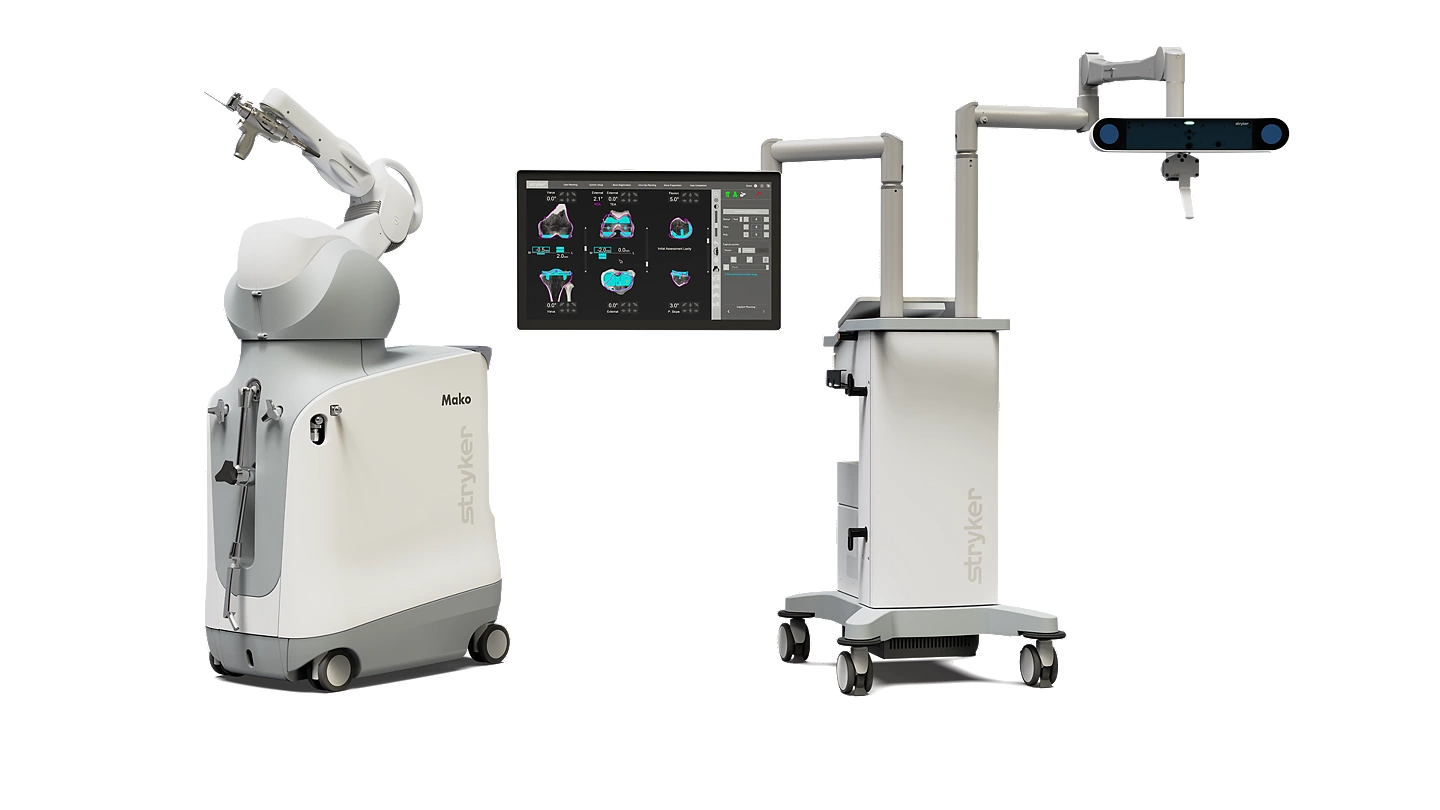
The Mako robotic arm-assisted surgical system helps create a patient-specific 3D plan for knee and hip replacement surgery. While the surgeon maintains control throughout the operation, the system provides haptic feedback that limits deviations from the planned area.
A three-dimensional model is created from computed tomography (CT) scans of the hip or knee joint. The size, placement, and bone cuts of the prosthesis are planned before surgery according to the patient's anatomy.
The surgeon evaluates joint movement, ligament balance, and the position of prosthetic components using real-time data. The plan is then validated in a controlled manner based on the surgical findings.
The robotic arm helps the surgeon work within the virtual boundaries they define. The surgeon, not the robot, controls the system; the technology supports the precise execution of the plan.
The goal of robotic total knee replacement is to plan the prosthesis placement in three dimensions, evaluate the balance of the medial and lateral ligaments of the knee during surgery, and perform bone preparation within patient-specific virtual limits.
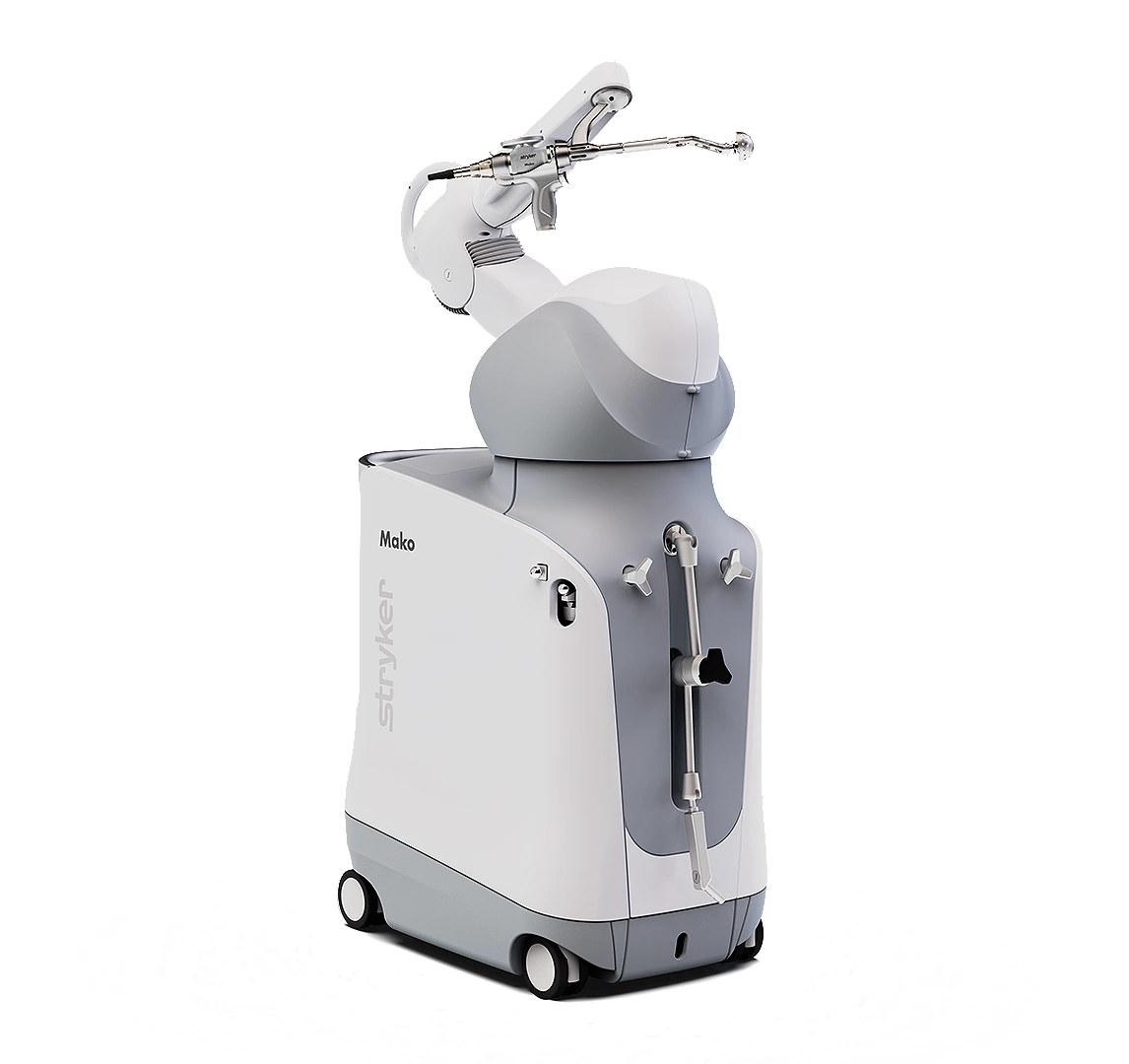
In robotic hip replacement surgery, the patient's hip and pelvic anatomy is modeled in 3D. Values such as the angle and depth of the acetabular cup, hip center, leg length, and offset are planned before the surgery and can be checked during the procedure.
Studies indicate that robot-assisted prosthetic surgery may offer benefits in terms of plan accuracy, bone and soft tissue preservation, and early function. Results vary from patient to patient.
Instead of a standard approach, each patient's bone structure and joint mechanics are evaluated individually.
IT-based planning helps in placing prosthetic components at the targeted angle and position.
Virtual security boundaries help reduce the risk of deviations from the plan and protect surrounding structures.
In suitable patients, controlled mobilization and personalized physical therapy are essential components of recovery.
In patients with advanced osteoarthritis who experience pain, limited mobility, and loss of daily life function, and who do not benefit sufficiently from medication, exercise, physical therapy, or injections, prosthetic surgery may be considered.
No. The surgery is performed by an orthopedic and traumatology specialist. The robotic system provides support for planning, measurement, and execution within the limits set by the surgeon.
It may not be suitable for every patient. The examination, X-ray/CT findings, bone quality, overall health status, and previous surgeries are all evaluated together.
The main differences are three-dimensional personalized planning, numerical feedback during surgery, and controlled bone preparation within haptic limits.
The duration varies depending on age, muscle strength, comorbidities, and the type of surgery performed. Instead of a fixed timeframe, a personalized follow-up and rehabilitation plan is created.
The technical framework on this page has been prepared in a patient-centered and original manner, based on Mako Total Knee and Mako Total Hip product information and findings from peer-reviewed studies.
This content is for general informational purposes only and does not substitute for diagnosis or treatment recommendations. The appropriate treatment method can only be determined after an orthopedic examination and imaging studies. Mako, SmartRobotics, and AccuStop are trademarks of Stryker.